

How to Choose the Right Cruise for You: A Complete Beginner’s Guide
Choosing a cruise can feel overwhelming. There are dozens of cruise lines, hundreds of ships, countless itineraries and an almost ridiculous number of cabin options. Here’s how to narrow it all down and find the cruise that’s actually right for you.
I completely understand why choosing a cruise can feel like a lot.
When I booked my first cruise, I didn’t really know what I was getting myself into. I had plenty of experience with holidays, particularly 5-star adults-only all-inclusive resorts, but cruising was a completely different way of travelling.
And then I discovered P&O Arvia.
My first cruise was a two-week Caribbean sailing, visiting eight different countries. There were restaurants everywhere, plenty to do onboard and, best of all, I could unpack once and wake up somewhere completely different.
I was hooked.
I’ve now been on four cruises, with another six booked over the next couple of years, and I’ve sailed with P&O Cruises and Virgin Voyages, with MSC Cruises next on my list.
One thing I’ve learnt already is that there really isn’t one cruise that’s simply “the best.”
The best cruise is the one that’s right for you.
So, if you’re staring at thousands of cruise options wondering where on earth to start, let’s break it down.
First things first: what kind of holiday do you actually want?
Before looking at cruise lines, ships or even destinations, think about the holiday you want to have.
This sounds obvious, but it’s one of the easiest things to overlook.
Two cruises could visit exactly the same destinations and still feel completely different.
Do you want to:
- Spend your days relaxing by the pool?
- Explore a different destination almost every day?
- Have lots of entertainment and activities onboard?
- Enjoy long, leisurely meals?
- Dress up for dinner?
- Keep things casual?
- Travel as a couple?
- Take the family?
- Have plenty of nightlife?
- Spend your evenings somewhere quiet with a cocktail?
There isn’t a wrong answer.
The trick is finding a cruise line and ship whose personality matches yours.
And this is why I wouldn’t start by asking “What is the best cruise line?”
I’d start with:
“What do I actually want from my holiday?”
1. Choose your cruise line
This is probably one of the biggest decisions you’ll make.
Different cruise lines can have very different atmospheres, even when they’re sailing similar itineraries.
Some are more traditional. Some feel much more modern. Some are particularly family-focused. Some cater more towards adults. Some put a huge emphasis on entertainment, while others are more focused on relaxation, food or luxury.
And then there are the little things that can make a surprisingly big difference.
Think about:
Food — What’s the dining experience like?
Drinks — What’s included and what costs extra?
Entertainment — Do you want theatre shows, live music, nightlife, activities or something quieter?
Dress code — Do you enjoy getting dressed up or would you rather keep things casual?
Age range — Who is the cruise likely to appeal to?
Children — Are you looking for a family-friendly ship or an adults-only experience?
Atmosphere — Does the overall feel of the cruise appeal to you?
I’ve experienced both P&O and Virgin Voyages, and even from my own experience, they offer quite different experiences.
That’s why I’m a big believer in comparing cruise lines rather than automatically choosing whichever one has the cheapest price.
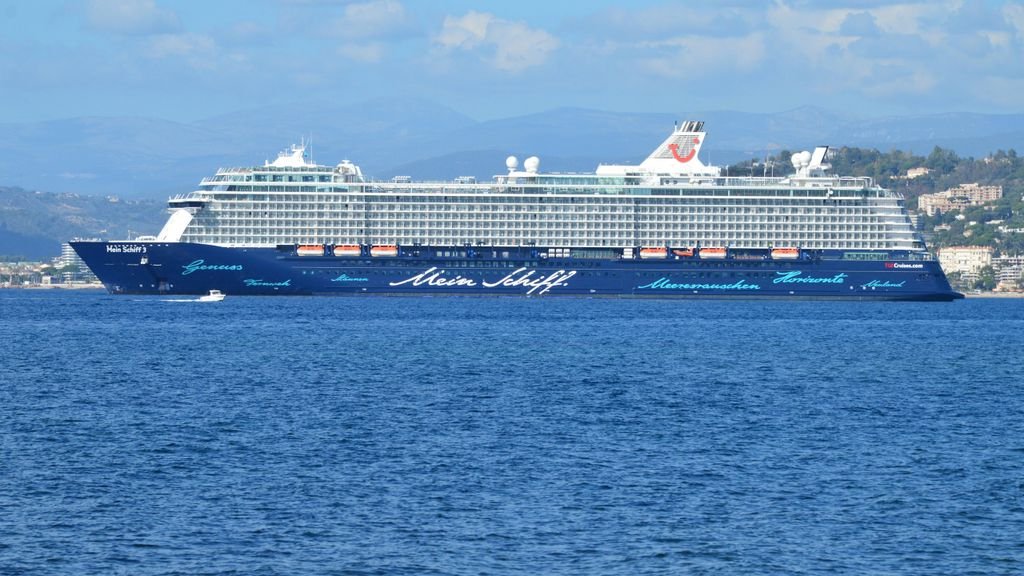
2. Don’t just choose the cruise line — choose the right ship
This is something I think first-time cruisers sometimes overlook.
You aren’t just booking a cruise line.
You’re booking a ship.
And the ship is going to be your home for the duration of your holiday.
Think about what you want available onboard.
Do you want:
- Lots of restaurants?
- Multiple pools?
- A spa?
- Big entertainment venues?
- A theatre?
- Nightlife?
- Kids’ facilities?
- A gym?
- Quiet areas?
- Plenty of outdoor space?
- A huge ship with lots happening?
- Something smaller and more intimate?
My first cruise on Arvia was a big part of why I fell in love with cruising. There was so much choice onboard that even after spending two weeks on the ship, I didn’t feel like I’d run out of things to do.
But that doesn’t mean a huge ship is automatically better.
Someone else might look at that same list and think:
“Actually, I want something much quieter.”
And that’s exactly the point.
The right ship depends on you.
3. Think carefully about the itinerary
This is where the magic of cruising really comes in for me.
One of my favourite things about cruising is that you can wake up somewhere completely different without having to pack another suitcase.
Unpack once. Wake up somewhere new.
But not every itinerary works in the same way.
Some cruises are packed with port days, while others give you several sea days.
Some visit lots of destinations for a short amount of time.
Others stay longer in fewer ports.
So ask yourself:
Where do I actually want to go?
Maybe you’ve always wanted to visit the Caribbean.
Maybe the Mediterranean is calling you.
Perhaps you’d love to see the Norwegian Fjords.
Or maybe you aren’t particularly bothered about the destinations and mainly want an amazing ship.
That’s completely fine too.
Sea days vs port days
This is another consideration that can make a huge difference.
A cruise with lots of port stops can feel like a brilliant sightseeing adventure.
But it can also mean early mornings, getting off the ship, exploring somewhere new and getting back onboard before sailing again.
Sea days are the opposite.
They’re your chance to enjoy the ship without rushing off anywhere.
If you love lying by the pool, eating, drinking, using the spa or simply wandering around with nowhere you need to be, you might actually love sea days.
If you’d rather spend every day exploring somewhere new, a port-heavy itinerary could suit you better.
4. Decide how long you want to cruise
You don’t have to start with a two-week cruise.
Cruises range from short breaks to much longer voyages.
For a first cruise, a shorter sailing can be a good way to find out whether you actually enjoy cruising without committing to a long holiday.
But there’s another side to this.
If you’re someone who loves travelling to lots of destinations, a longer cruise can give you the opportunity to see much more without constantly changing hotels.
My first cruise was two weeks, and honestly, I think that helped me fall in love with it.
There was enough time to properly settle into the ship, enjoy sea days and visit lots of destinations.
5. Choose your cabin carefully
Now we get to one of the decisions that can cause a lot of overthinking.
Your cabin.
You’ve usually got options ranging from:
Inside
No window, usually the most budget-friendly option.
Ocean view
A window gives you natural light and a view of the sea.
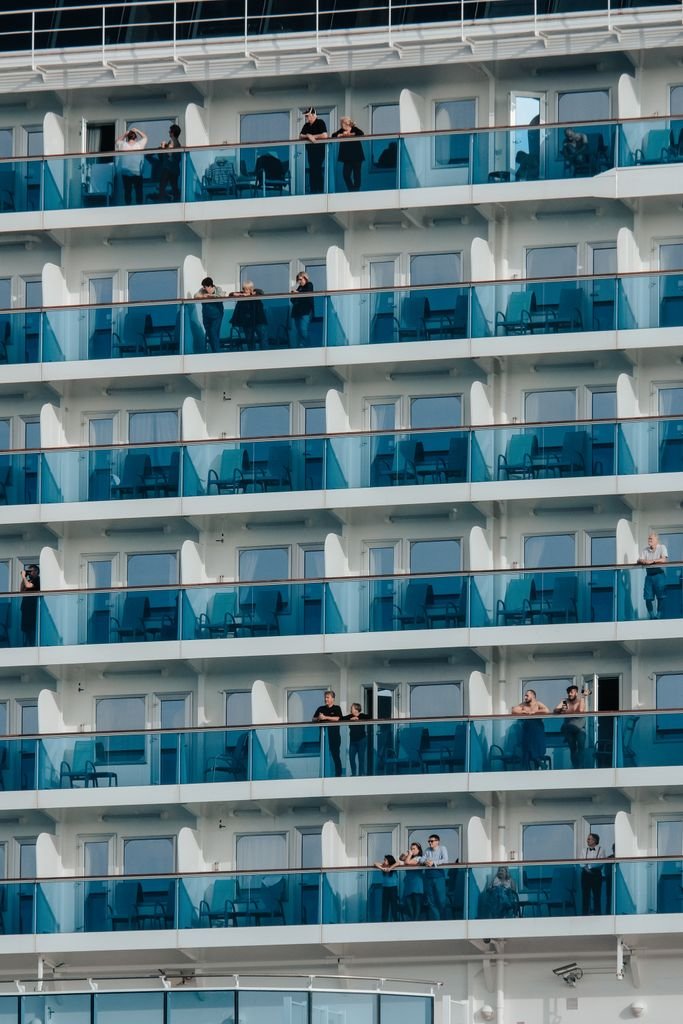
Balcony
Your own outdoor space and somewhere to sit and watch the world go by.
Suite
More space and, depending on the cruise line, additional perks and benefits.
None of these is automatically “best.”
It depends on how you’re going to use your cabin.
If you’re someone who spends very little time in your room because you’re constantly exploring the ship or getting off at ports, an inside cabin could make perfect sense.
If you love sitting outside with a coffee in the morning or watching the ship sail into port, a balcony might be worth paying extra for.
And if having more space and additional perks is important to you, a suite could be the way to go.
6. Don’t forget about the cabin location
It’s not just the type of cabin that matters.
Where it is on the ship matters too.
Some people prefer to be close to the lifts and central areas.
Others want to be somewhere quieter.
If you’re sensitive to movement, you may want to research which parts of a particular ship are generally considered more stable.
And if you’re a light sleeper, it’s worth checking what’s directly above, below and beside your cabin.
A cabin underneath a nightclub might not be ideal if you’re hoping for an early night.
This is one of those areas where looking at the ship’s deck plans before booking can be incredibly useful.
7. Look at what’s actually included
This is where comparing headline prices can get misleading.
Two cruises might appear to cost a similar amount, but what’s included in that price can be very different.
Before comparing prices, look at things such as:
- Main dining
- Drinks
- Wi-Fi
- Entertainment
- Speciality restaurants
- Room service
- Gratuities
- Excursions
- Spa treatments
- Transfers
- Flights, if applicable
You don’t necessarily need everything included.
But you do need to know what you’ll actually spend.
A cruise that costs slightly more upfront could potentially work out better value for you if it includes things you’d otherwise pay extra for.
8. Work out your real holiday budget
I think it’s much more useful to think about the total cost of the holiday rather than just the cruise fare.
Your budget might need to include:
Cruise fare
- travel to the port
- flights, if applicable
- hotel before sailing, if needed
- drinks
- speciality dining
- excursions
- Wi-Fi
- shopping
- tips/gratuities
- spending money
You don’t have to spend money on all of these.
But knowing what you might want before booking makes it much easier to compare cruises properly.

9. Think about who you’re travelling with
The perfect cruise for a couple might be completely wrong for a family.
And the cruise you’d choose with friends might not be the one you’d choose for a romantic getaway.
Think about the people you’re travelling with and what they need from the holiday too.
For families, that could mean:
- Kids’ clubs
- Family cabins
- Children’s entertainment
- Pools
- Family dining
- Connecting cabins
For couples, perhaps you’re looking for:
- Adults-only areas
- Romantic dining
- Spa facilities
- Great bars
- Evening entertainment
And if you’re travelling solo, you’ll want to look at things like solo cabins, solo events and how easy it is to meet other people.
The “right cruise” changes depending on who is coming with you.
10. Read reviews… but read them properly
This is probably the section where my professional over-researcher tendencies really come into play.
I love reading reviews before booking anything.
But I don’t think you should simply look at the star rating and decide.
Instead, look for patterns.
If one person says:
“The food was terrible.”
That doesn’t necessarily tell you much.
But if dozens of people consistently mention the same thing, it’s worth paying attention to.
And remember that people have different expectations.
Someone might describe a ship as “too quiet”.
Someone else might describe that exact same ship as “peaceful”.
Someone might complain that there aren’t enough children onboard.
Someone else might think:
“Excellent.”
When reading reviews, always ask:
“Is this a problem for me?”
Not:
“Did this person like it?”
That’s a much better way to research a holiday.
11. Don’t let one negative review put you off
Cruises aren’t perfect.
Neither are hotels, all-inclusive resorts or airlines.
Something can go wrong.
A restaurant might disappoint you.
The weather might be awful.
Your cabin might not be exactly what you expected.
Someone might have had a bad experience.
That doesn’t necessarily mean you will.
When I’m researching, I’m looking for the overall picture.
What do people consistently love?
What do people consistently dislike?
What are the genuine drawbacks?
And, most importantly:
Would those drawbacks bother me?

12. Think about what matters most to you
If you’re struggling to narrow everything down, make a simple list.
Write down your five non-negotiables.
For example:
My cruise must have:
- A balcony
- Great food
- Lots of entertainment
- A Caribbean itinerary
- Plenty of places to relax
Then write down the things you’d like, but don’t absolutely need.
That makes comparing cruises much easier.
You can start eliminating options that don’t fit.
13. Don’t choose based purely on price
This is probably one of the biggest mistakes you can make when comparing holidays.
The cheapest cruise isn’t necessarily the best value.
And the most expensive cruise isn’t necessarily the best cruise.
Think about what you’re getting for the money.
If you spend slightly more but get the ship, itinerary, cabin and experience you actually want, that can be much better value than saving money on a holiday you’re not going to enjoy as much.
I’d much rather spend my money on the right holiday than simply the cheapest one.
So… how do you actually choose?
If you’ve read all of this and you’re still thinking:
“That’s great, Kaiya, but HOW do I actually decide?”
Here’s the process I’d use.
Step 1
Decide what kind of holiday you want.
Relaxing? Adventurous? Family-focused? Adults-only? Foodie? Entertainment-heavy?
Step 2
Choose your destination.
Where do you want to wake up?
Step 3
Choose your cruise length.
Short break? One week? Two weeks? Longer?
Step 4
Shortlist your cruise lines.
Which ones match the experience you’re looking for?
Step 5
Compare the ships.
What does each ship actually offer?
Step 6
Compare the itineraries.
How many ports? How many sea days? Which destinations?
Step 7
Choose your cabin.
Inside, ocean view, balcony or suite?
Step 8
Calculate the real cost.
Don’t forget the extras.
Step 9
Read reviews and look for patterns.
Not just the overall rating.
Step 10
Ask yourself one final question:
Would I actually enjoy spending my holiday here?
If the answer is yes, you’re probably onto a winner.
⭐ The Kaiya Edit
Don’t ask “What’s the best cruise?”
Ask:
“What’s the best cruise for me?”
This is probably the biggest thing I want you to take away from this guide.
There are so many amazing cruise lines, ships and itineraries that I don’t think it’s useful to tell you:
“Book this one. It’s the best.”
Because what I love about a cruise might be completely different from what you love.
I want to help you understand why one cruise might suit you better than another.
I’ll show you the options.
I’ll compare them.
I’ll explain the differences.
And I’ll tell you what I’d consider based on what I know.
Then you can make the decision that’s right for you.
Because ultimately, that’s what finding the right cruise is about.
Ready to find your cruise?
Whether you’re planning your first cruise or you’re already counting down to your next one, there’s always something new to discover.
I’ll be sharing cruise line guides, ship reviews, comparisons, destination guides and practical tips, all with one goal:
Helping you find the cruise that’s right for you.
Unpack once. Wake up somewhere new.
